
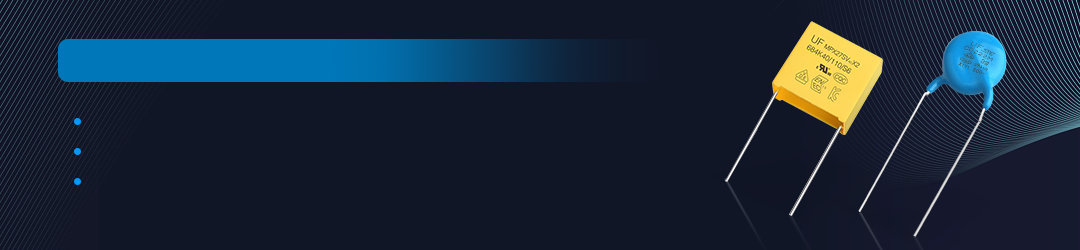


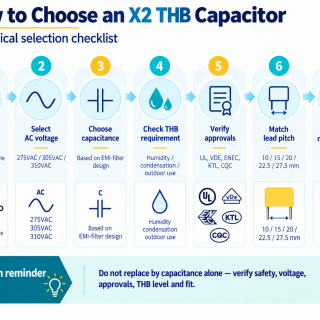
A THB X2 film capacitor is a metallized polypropylene safety capacitor used across the AC mains for EMI suppression, with additional reliability performance under combined temperature, humidity and electrical bias.
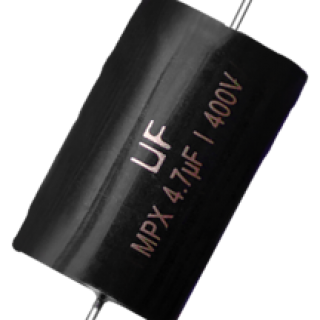
Compare UF MPX metallized polypropylene audio capacitors with Mundorf MCap Classic, Jantzen Cross Cap, ClarityCap CSA and ERSE PEx. See capacitance, voltage, tolerance, dielectric and mechanical checks for speaker crossover and amplifier replacement.
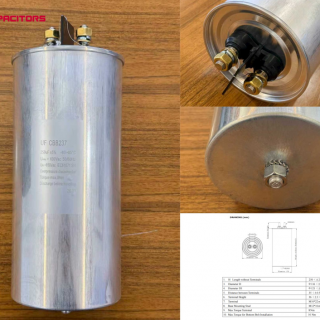
Explore the UF CBB237 250µF 600VAC metallized polypropylene AC filter capacitor: 1.4mΩ ESR, 64A maximum current, 100,000-hour design life, overpressure protection, installation guidance and applications in solar, wind and UPS systems.
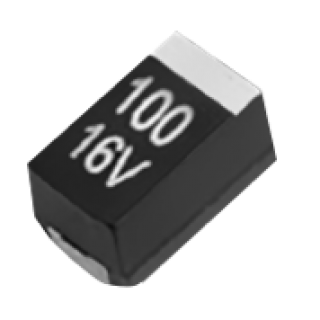
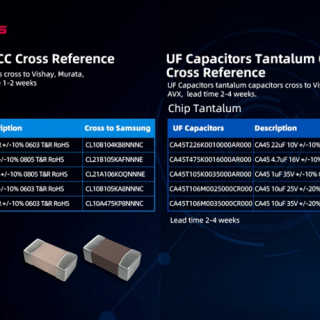
For AI Server, Memory Module & Storage applications, demand is growing fast for a specific set of AVX TCN polymer tantalum capacitors, and these parts have been on long delivery times across the market. When these parts are hard to get, it can stop lines already built on the AVX TCN series.
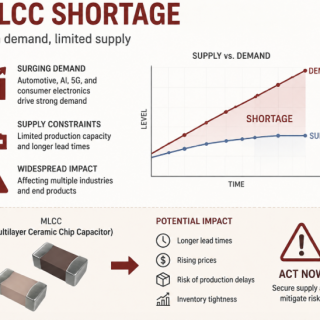
AI server and AI PC demand is tightening MLCC supply. See affected values, lead-time risks, and UF Capacitors CT41 alternatives for Murata, TDK, AVX, Vishay and KEMET.
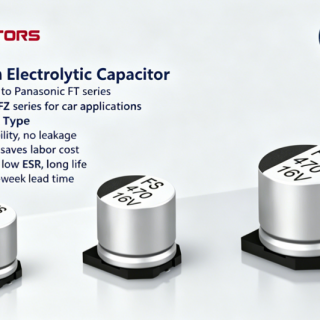
If your bill of materials includes aluminum electrolytic capacitors, you may have already noticed longer lead times and rising prices. In 2026, the market has faced tighter supply conditions due to multiple factors, including raw material costs and surging demand from AI servers and EV infrastructure.
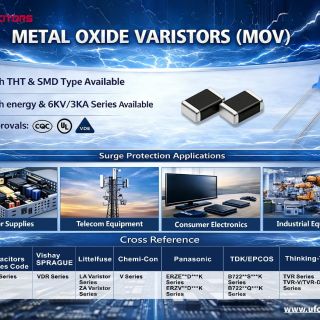
A Metal Oxide Varistor is a voltage-dependent, nonlinear resistive device. It is primarily made from zinc oxide (ZnO) grains and small amounts of other metal oxide additives, sintered at high temperatures. Its core electrical characteristics are:
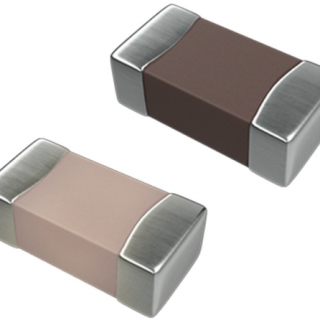
The MLCC sector is widely seen as a cyclical growth industry, with prices swinging sharply during upswings. Looking back at the last two market cycles, shifts in supply were the main driving force.
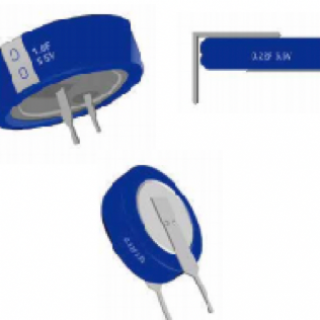
In applications such as smart meter backup and server power ride-through, the batch-to-batch consistency of supercapacitors often determines the operating life and reliability of the entire module.
Operating the capacitor at a voltage significantly lower than its rated voltage — typically 50% or less.
Metal Oxide Varistor (MOV) is widely used for surge protection in electronic products. One key parameter we often ignore is Typical Capacitance (reference) @1KHz. For sales engineers and electronic buyers, knowing this value well helps select correct MOV models for different applications, especially for meters like electricity meters, water meters and energy meters.
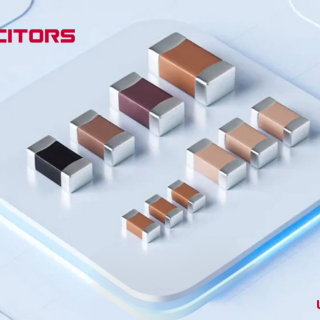
Multilayer Ceramic Capacitors (MLCC) use different dielectric materials defined by EIA RS-198 and adopted by top brands (Murata, Samsung, Yageo, Vishay). Each material differs in temperature stability, tolerance, voltage rating, aging, and capacitance drift. Choosing the right dielectric is critical for outdoor access control, power supplies, inverters, industrial controls, and consumer electronics.
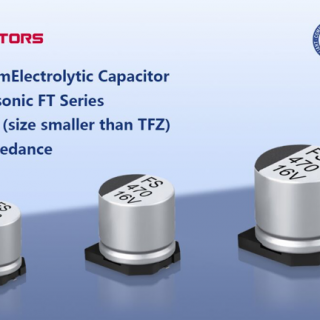
Whether you are designing a POL module, an industrial power supply, or a communication system, the TFS series helps keep your capacitor cooler and your product running longer.
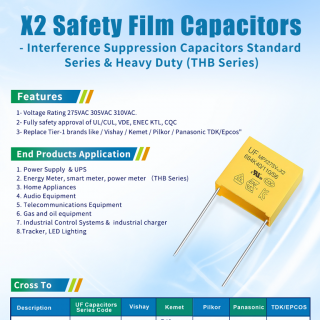
Most smart meters don't fail in the lab. They fail in the field — under direct sunlight, in coastal humidity, or after years of tropical rain. When they do, the root cause is often something small: an X2 capacitor that drifted out of spec, a capacitive power supply that couldn't hold regulation, or an EMI filter that lost its suppression capability.
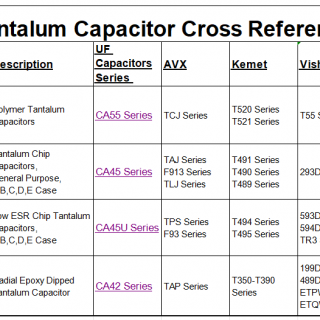
Keep the actual operating voltage of a tantalum capacitor significantly below its rated voltage.Example: Apply only 5V to a 10V capacitor. This isn't waste — it's the core technique for ensuring long-term reliability.